How to Tell If Your Water Needs Professional Treatment
If you're wondering how to tell if your water needs professional treatment, local service providers can assess water quality and recommend effective solutions.
Property owners in the area often wonder how to identify when their water might need professional treatment. Changes in water appearance, taste, or smell can be early signs that contaminants or mineral buildup are affecting water quality. Recognizing these indicators is important for maintaining a safe and reliable water supply, especially for households or businesses relying on well or municipal sources. Exploring this topic can help homeowners understand the practical reasons for seeking expert assistance, ensuring that any issues are properly addressed by qualified service providers.
Understanding when water needs professional treatment can also prevent potential health concerns and protect plumbing systems from damage caused by hard water or impurities. Local contractors specializing in water treatment offer solutions tailored to specific water conditions, providing peace of mind that issues are handled effectively. Keeping an eye out for common signs and knowing when to seek expert help can make a significant difference in maintaining clean, safe water for everyday use.
- Water testing services - when water has an unusual taste, odor, or appearance, local contractors can perform comprehensive tests to identify contaminants.
- Sediment removal solutions - if you notice particulate matter or cloudiness in your water, local service providers can evaluate the source and recommend filtration options.
- Hard water treatment - signs like mineral buildup on fixtures or soap scum can indicate hard water, with local pros offering treatment systems to address the issue.
- Contaminant filtration installation - when health-related concerns or chemical tastes are present, local contractors can install specialized filtration to improve water quality.
- Water quality assessments - if you're unsure whether your water needs treatment, local service providers can conduct assessments to determine the appropriate solutions.
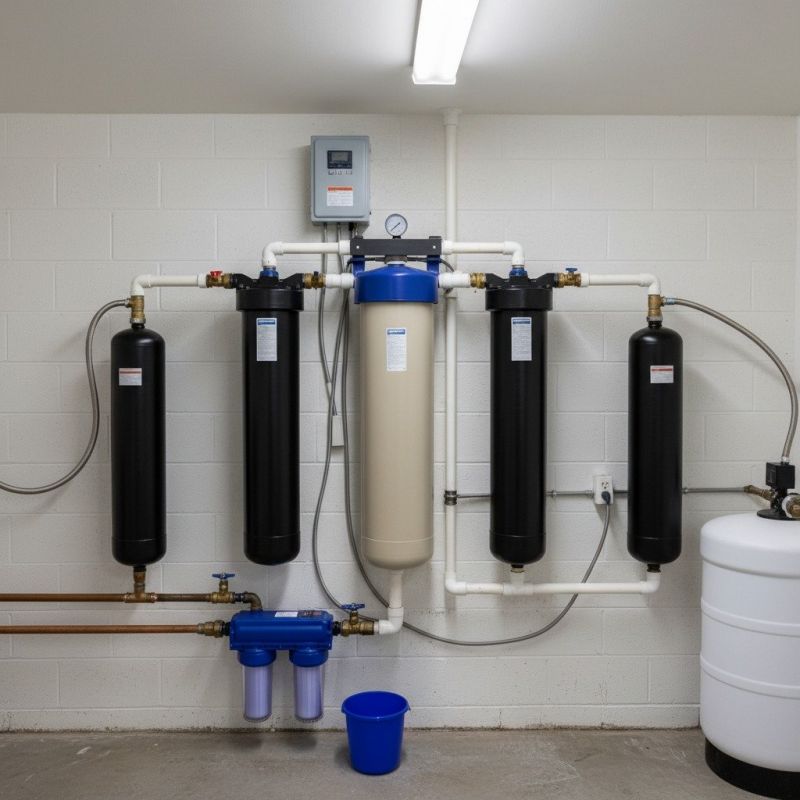
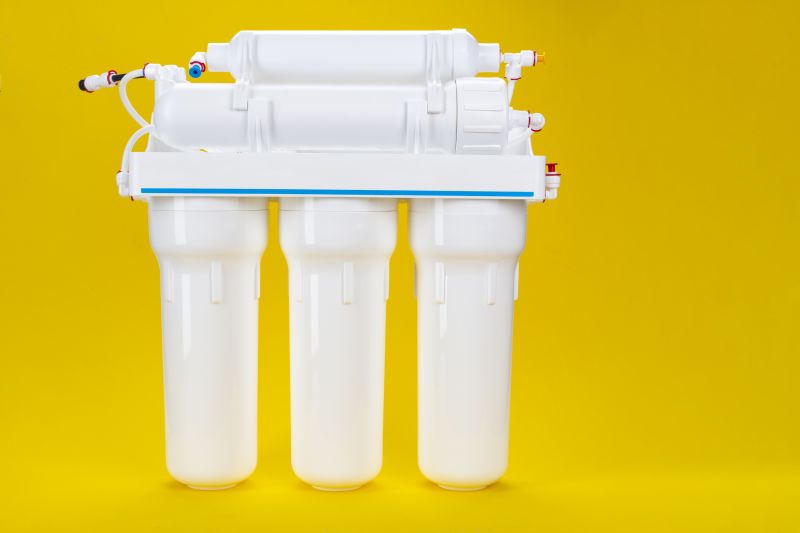
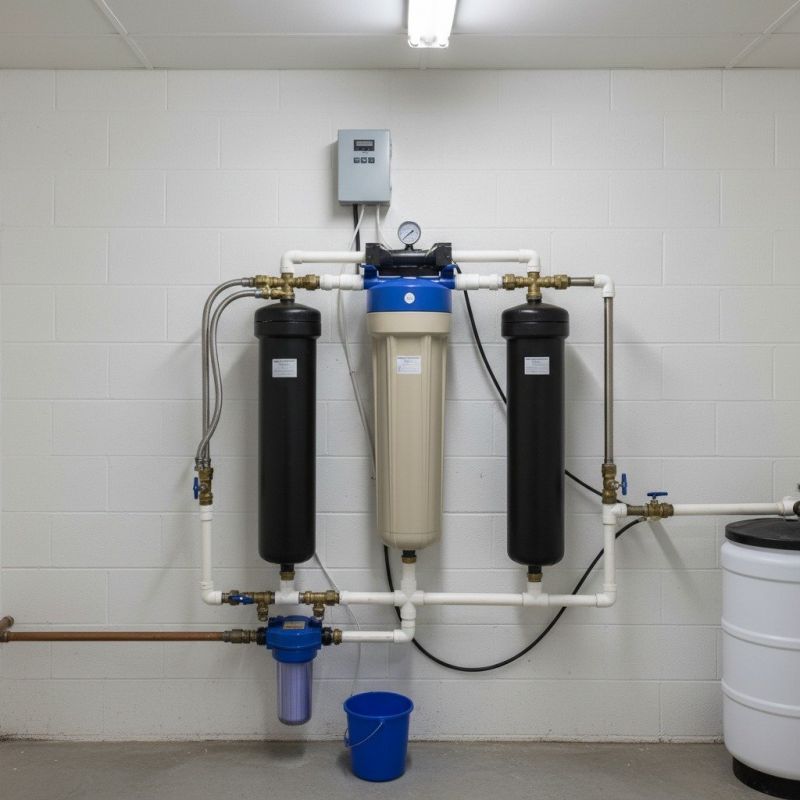
When homeowners search for how to tell if their water needs professional treatment, they are often concerned about the quality and safety of their household water supply. Common signals include noticeable changes in taste, odor, or appearance-such as a metallic or sulfur smell, cloudy or discolored water, or a persistent bad taste. These clues can indicate the presence of contaminants, high mineral content, or other issues that may not be immediately obvious but could impact health or appliance performance. Understanding these signs helps homeowners recognize when simple filters or maintenance might not be enough, and professional water treatment services may be necessary to ensure the water is safe, clean, and suitable for everyday use.
This topic often relates to problems like hard water buildup, which causes scale on fixtures and reduces soap effectiveness, or water that contains elevated levels of minerals like calcium and magnesium. It can also involve concerns about contaminants such as bacteria, lead, or chemicals that may enter the water supply through aging pipes or local sources. Planning for water treatment may include installing systems like water softeners, filtration units, or purification systems. Homeowners with specific health concerns or those living in areas with known water quality issues are particularly attentive to these signs, seeking professional help to assess their water and install appropriate treatment solutions.
Properties that typically come into focus when considering whether water needs professional treatment include older homes with aging plumbing, rural properties drawing from private wells, or properties in regions with known water quality challenges. Larger households with high water usage may also notice more rapid buildup of mineral deposits or changes in water characteristics. Additionally, properties that rely on well water often require regular testing and potential treatment to address contaminants or mineral levels that could otherwise cause damage or health issues. Recognizing these property types helps homeowners understand when expert assessment and intervention are advisable to maintain safe and reliable water quality.
Connecting the signs of water quality issues to professional treatment involves understanding how local service providers can help. When signs such as persistent odors, discoloration, or scaling appear, local pros can perform comprehensive testing and recommend appropriate treatment systems tailored to specific problems. Whether installing a water softener, filtration system, or other treatment methods, these contractors have the expertise to address a range of issues that affect water quality. Engaging with local water treatment specialists ensures that the property’s water supply is properly evaluated and treated, providing peace of mind and a safe, clean water experience for everyday use.
Water testing projects - These involve analyzing water samples to identify contaminants or issues, skills that are essential for assessing whether professional treatment is needed for your water supply.
Filtration system installations - Installing and maintaining water filtration units requires understanding water quality concerns and helps determine if treatment solutions are appropriate for your home or property.
Well water inspection services - Local contractors evaluate well systems to detect potential problems with water quality, providing insights into whether professional treatment is necessary.
Water quality assessment projects - These projects focus on evaluating water parameters and identifying signs that indicate the need for specialized treatment services from local experts.
Water purification system upgrades - Upgrading existing systems involves diagnosing current issues and selecting suitable treatment options, linking directly to the need for professional water treatment services.
Contaminant removal projects - These involve implementing solutions to eliminate specific water contaminants, requiring planning and skills similar to those used in professional water treatment assessments.
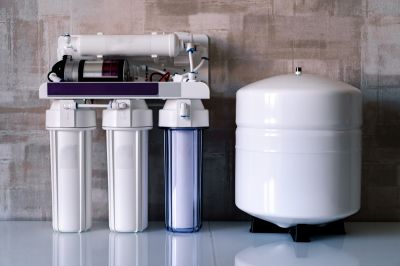
When evaluating professional water treatment services, it’s important to consider the experience of local contractors with similar projects. Homeowners should inquire about how long a service provider has been handling water quality issues comparable to their own, as well as the types of systems or solutions they have installed or maintained. A contractor’s familiarity with common water concerns-such as sediment, odors, or mineral content-can be a strong indicator of their ability to accurately diagnose and address specific problems. This background helps ensure that the chosen professional understands the nuances of water treatment and can recommend solutions that are effective and appropriate for the home’s unique water conditions.
Clear, written expectations are essential when comparing local service providers for water treatment. Homeowners should seek detailed descriptions of the services offered, including what assessments or tests might be performed, the scope of work involved, and any follow-up or maintenance recommendations. Having this information in writing helps prevent misunderstandings and provides a basis for comparing different contractors’ approaches. It also allows homeowners to verify that the proposed solutions align with their concerns about how to tell if their water needs professional treatment, ensuring that the selected professional’s plan addresses specific issues effectively.
Reputable references and good communication are key factors in choosing a reliable water treatment professional. Homeowners can ask potential service providers for references from recent clients with similar water quality concerns, providing insight into their experience and the results achieved. Additionally, a contractor’s responsiveness and clarity during initial conversations can reveal their level of professionalism and willingness to keep clients informed throughout the process. Effective communication ensures that homeowners feel confident in the professional’s understanding of their needs and their ability to explain the recommended solutions clearly, which is especially important when addressing questions about how to tell if water requires treatment and what steps will be taken to improve water quality.
Property owners often search for how to tell if your water needs professional treatment when they are planning practical projects around their homes and businesses. Local pros provide Professional Water Treatment services for everyday jobs and straightforward project options.
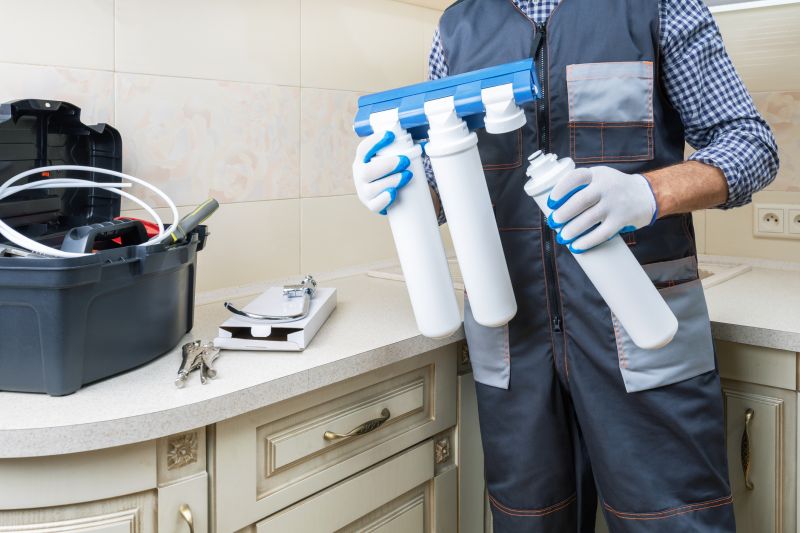
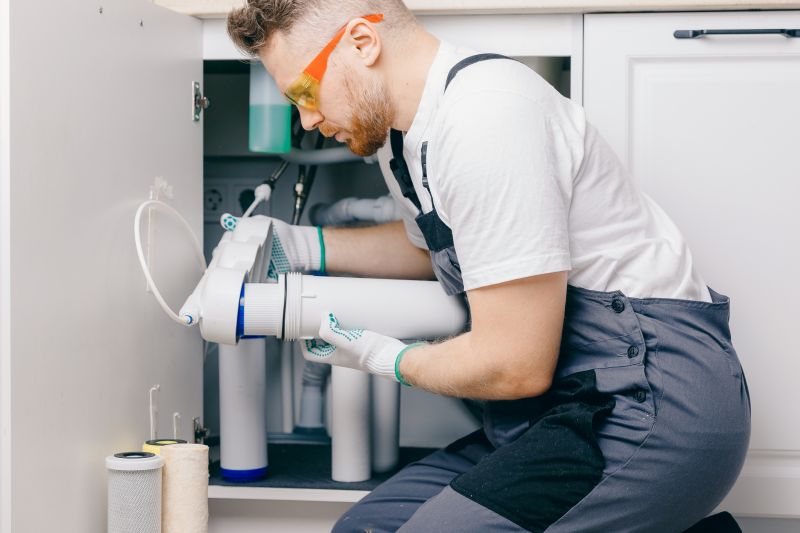
Homeowners in the area often notice changes in their water quality that may indicate a need for professional treatment. Common signs include a noticeable change in taste, odor, or clarity, such as a metallic or sulfur smell, cloudy appearance, or a strange taste that persists even after running the tap. Additionally, if residents experience frequent buildup of mineral deposits on fixtures or notice staining on laundry and plumbing, these could be signs that the water contains high levels of minerals or contaminants that require expert assessment and treatment.
Property owners might also consider professional water treatment services if they observe health-related issues or irregularities, such as skin irritation after bathing or unexplained staining on appliances and fixtures. Well owners, in particular, should be vigilant about testing their water regularly, especially if there have been recent storms, changes in the property, or if the water source is nearby agricultural or industrial activity. Local service providers specializing in water treatment can evaluate these signs and recommend appropriate solutions to ensure water quality and safety.
How can I tell if my water has a strange taste or odor? Unusual tastes or odors in water are common signs that professional water treatment may be needed, as they can indicate contaminants or impurities that local service providers can address.
Are cloudy or discolored water signs of a problem? Yes, cloudiness or discoloration can suggest the presence of sediments, minerals, or other substances that might require the expertise of local contractors to treat effectively.
What health issues might indicate my water needs treatment? Consistent gastrointestinal issues or noticing particles in water can be signs of contamination, and local water treatment specialists can evaluate and resolve these concerns.
Should I be concerned if my water leaves spots or film? Yes, mineral deposits or buildup can be signs that your water contains high levels of certain minerals, which professional treatment from local providers can help mitigate.
How do I know if my water quality has changed over time? Changes in water clarity, taste, or smell may indicate a decline in quality, making it advisable to have local water treatment experts assess and address potential issues.
Unusual water taste or odor - noticing a strange flavor or smell in your water can indicate contamination or mineral buildup that requires professional treatment.
Discolored or cloudy water - if your water appears murky or has visible particles, local contractors can assess and treat the water to improve clarity.
Frequent plumbing issues or buildup - persistent clogs, stains, or soap scum may signal water quality problems that need expert testing and solutions.
Excessive mineral deposits or scaling - mineral buildup on fixtures or appliances suggests the need for professional water treatment to prevent damage.
If you are thinking about how to tell if your water needs professional treatment for a property, this guide is meant to help you understand this topic, the typical project types, and how different options might fit your plans.
When you are ready, you can use the quote form on this page to share a few details about your project. From there, local pros can review the basics and follow up with options that match what you have in mind.